Focusing on European literatures since 1989—a moment of political and epistemic rupture—this project, funded by the Croatian Science Foundation (IP-2025-02-7801), studies documentary writing through the concepts of mimetic contract and referentiality. It examines documentary aesthetics as a key site where fact and fiction are renegotiated in response to shifting realities in contemporary Central- and Eastern-European literatures.
Archival and Library Research
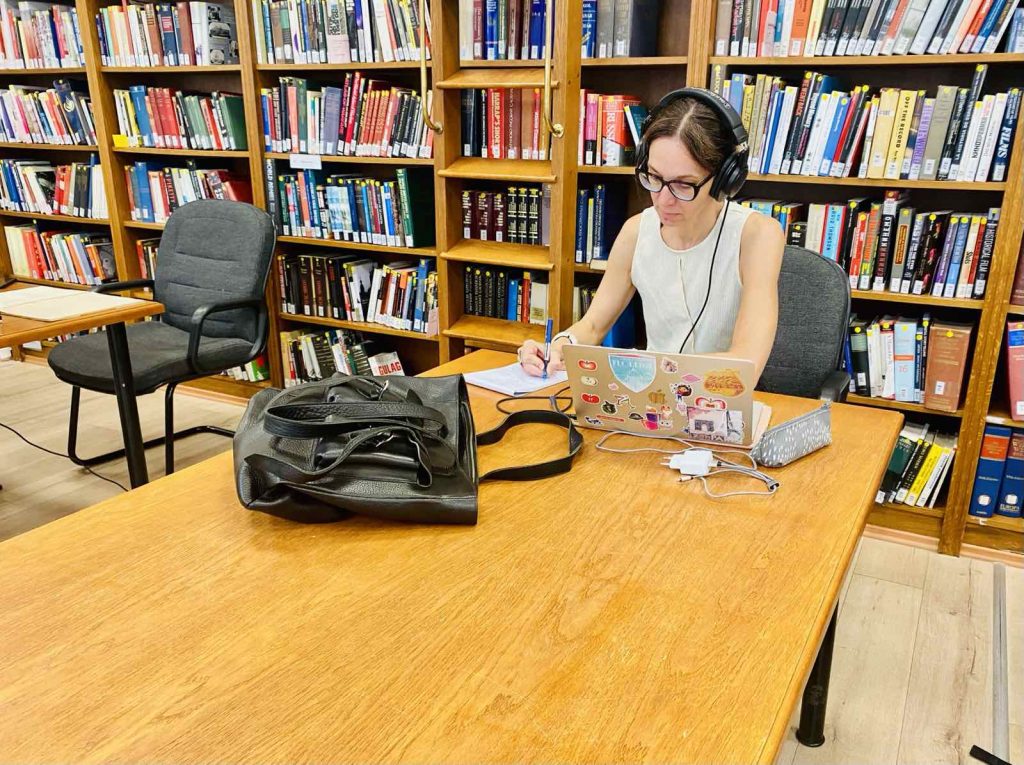
From 21 to 30 July 2026, collaborator Prof. Stijn Vervaet from the University of Oslo consulted and gathered materials at the National Library of Croatia in Zagreb related to theories of documentary fiction and autobiographical writing; contemporary Croatian/Bosnian/Serbian literature; and literary criticism of contemporary Croatian/Bosnian/Serbian literature. He also used his time in Zagreb to purchase relevant literature and begin preparing his paper for the Docturn workshop in September 2026.
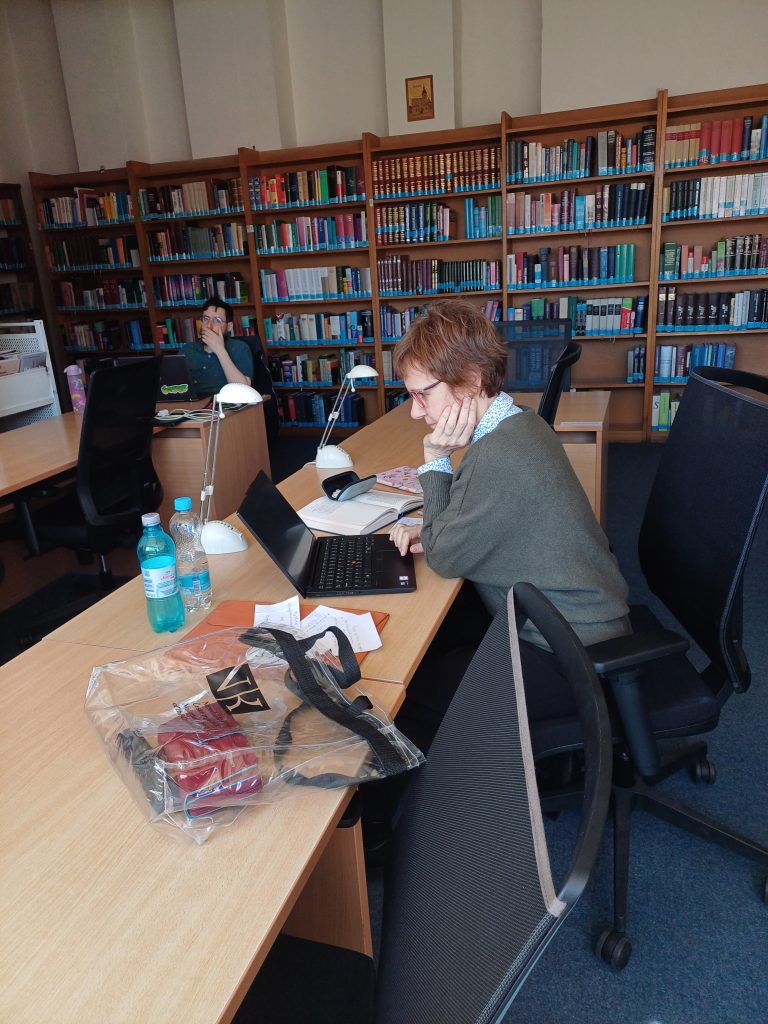
Associate Professor Matija Ivačić was on a research stay in Prague from 28 June to 4 July 2026. During his stay, he conducted research at the Library of the Institute of Czech Literature of the Czech Academy of Sciences and at the National Library, focusing on Czech literary and cultural periodicals of the 1990s. The research centred on reflections on authenticity as an imperative that shaped expectations of Czech prose in the years immediately following 1989, as well as on authors whose works were the first to anticipate these tendencies, most notably Ludvík Vaculík and Bohumil Hrabal.
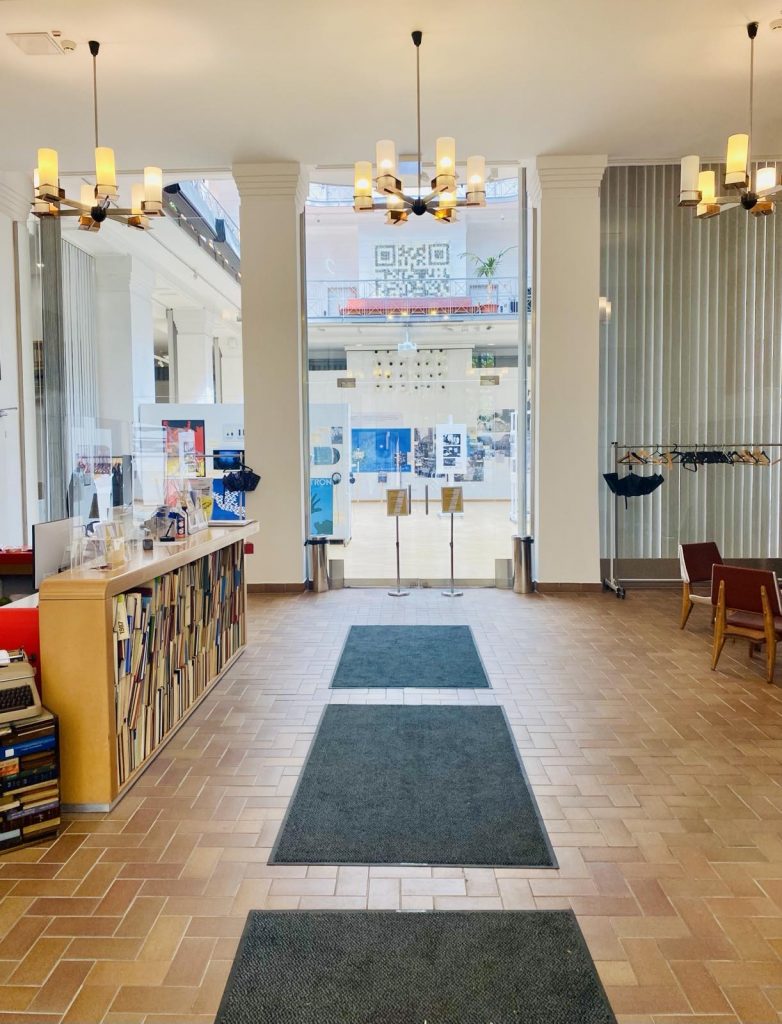
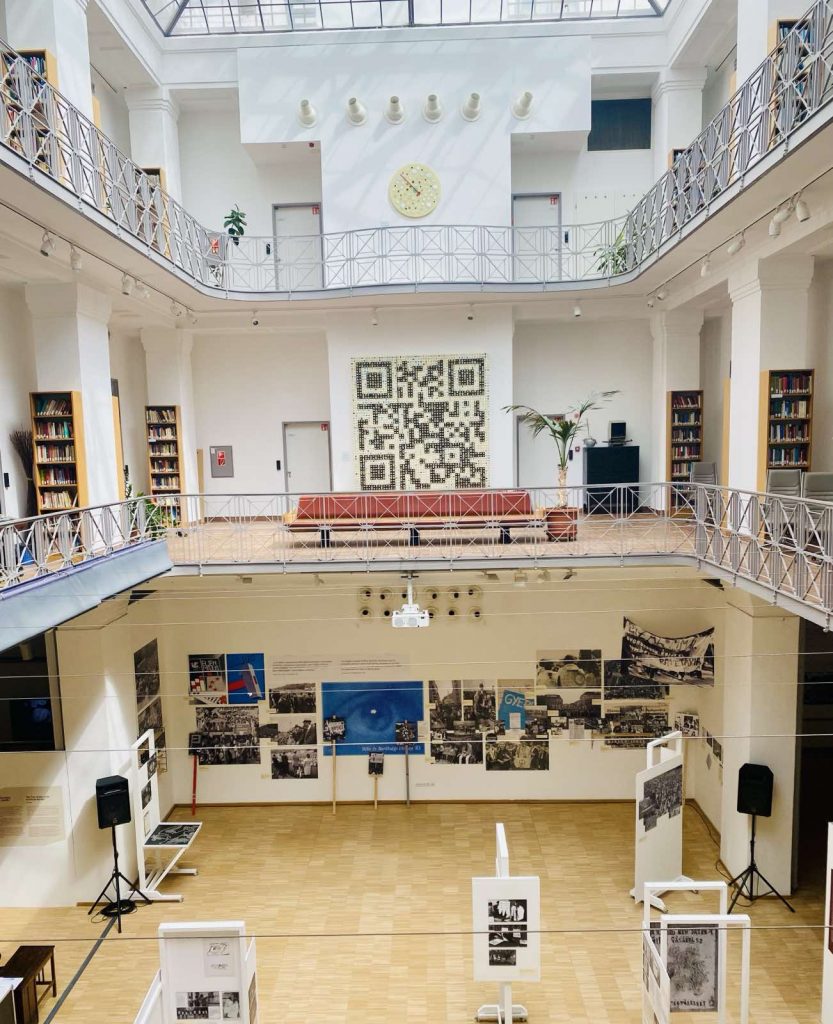
During a research stay at the Blinken OSA Archivum in Budapest from 5 to 8 July 2026, Professor Danijela Lugarić Vukas listened to audiovisual recordings of Svetlana Alexievich's interviews with survivors and witnesses of the Chernobyl disaster. Until recently, these interviews were not accessible to the public, yet they constitute the foundation of one of Alexievich's best-known books, Chernobyl Prayer, part of her five-volume cycle Voices from Utopia. Comparing the interviews with the literary text enables further investigation of the differences between these two narrative registers and offers significant insights into two of the project's central research questions: the mimetic contract and referentiality in documentary literature.
During her stay at the Faculty of Humanities and Social Sciences at the University of Zagreb from 10 to 17 May 2026, Prof. Brigitte Obermayr examined how questions of contemporaneity relate to current conflicts in Russian society and among Russophone communities. In particular, her research focused on themes such as war and anti-war movements, emigration and diaspora, the relationship between Russophone cultures and Russian culture, and the dynamics between official and unofficial cultures and their respective public spheres.
Two main outcomes emerged from her stay:
1. an analysis of Russophone poetry and of Russophone intellectuals’ attempts to document the issues outlined above.
2. an exploration of the historical and conceptual extensions of contemporaneity.
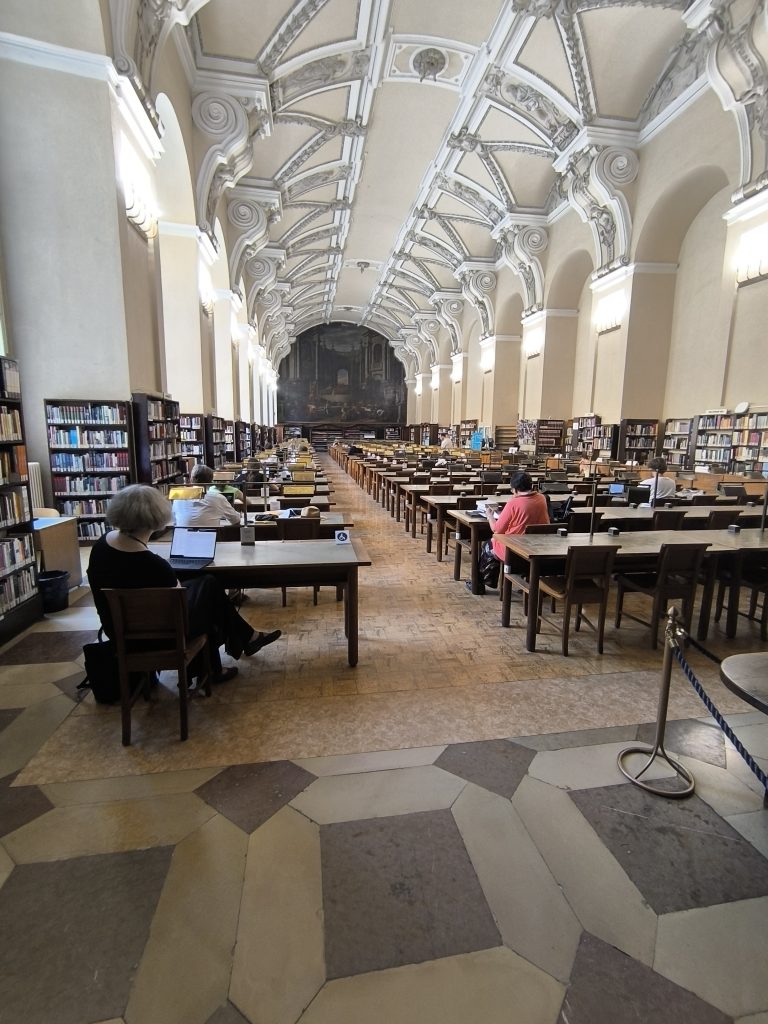
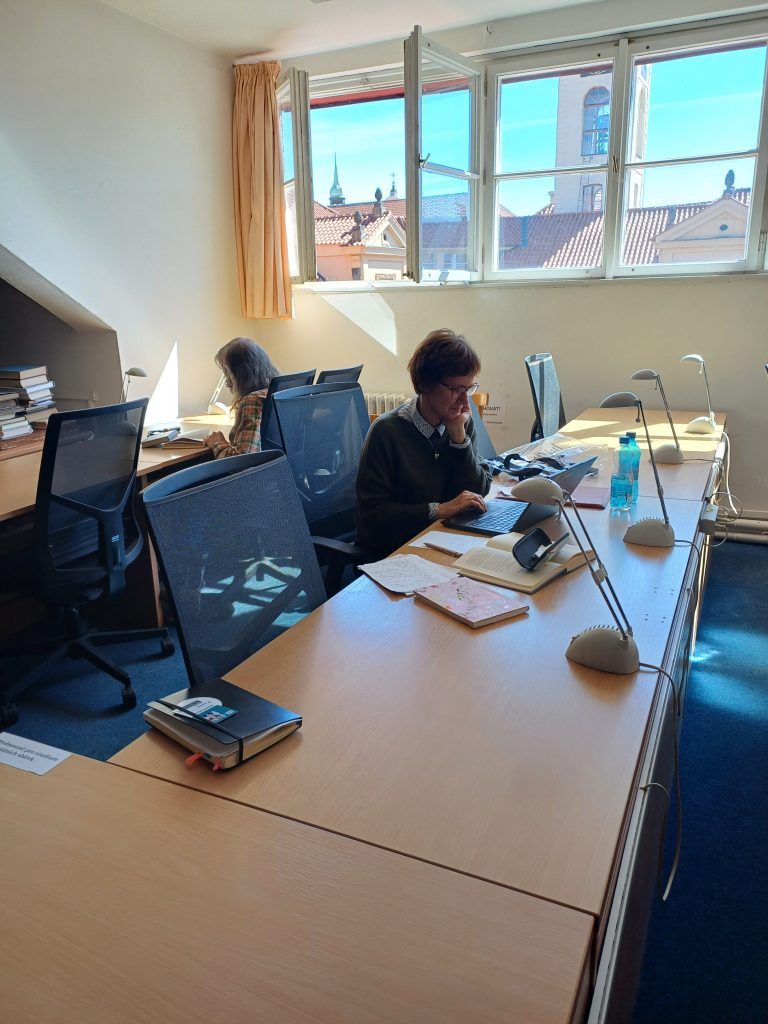
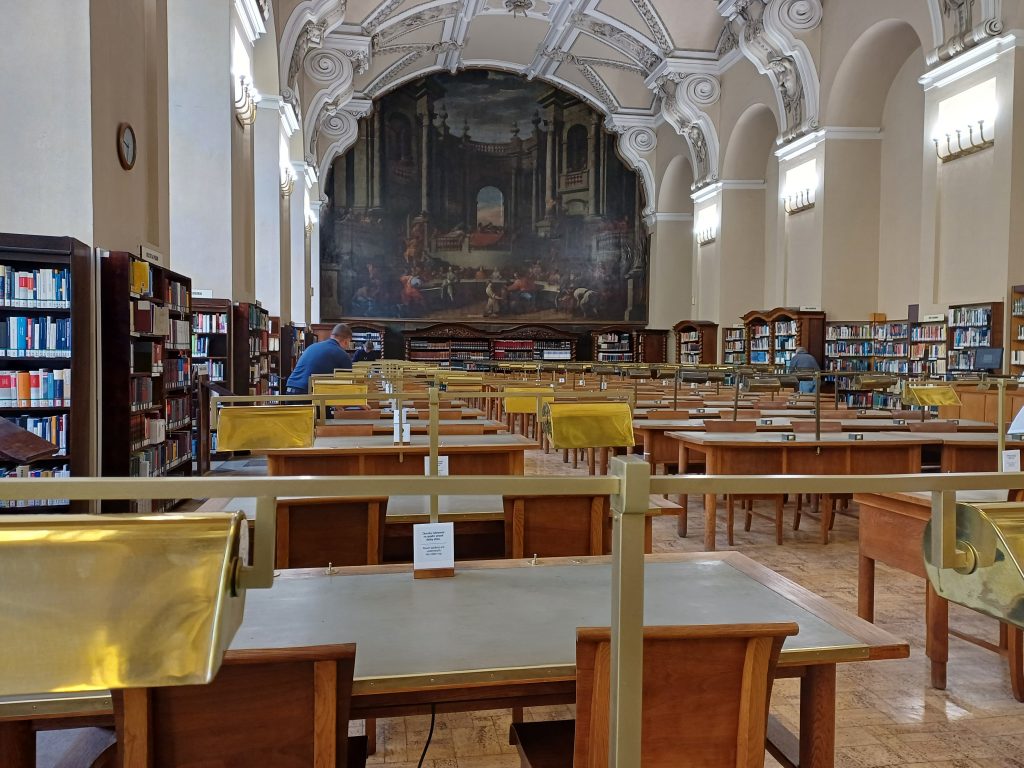
During the period from April 7 to April 11, Prof. Jasmina Vojvodić stayed in Prague at the Klementinum National Library (National Library of the Czech Republic). In the Slavic section of the library, J. Vojvodić conducted research and prepared a presentation for a project workshop scheduled for September 2026.
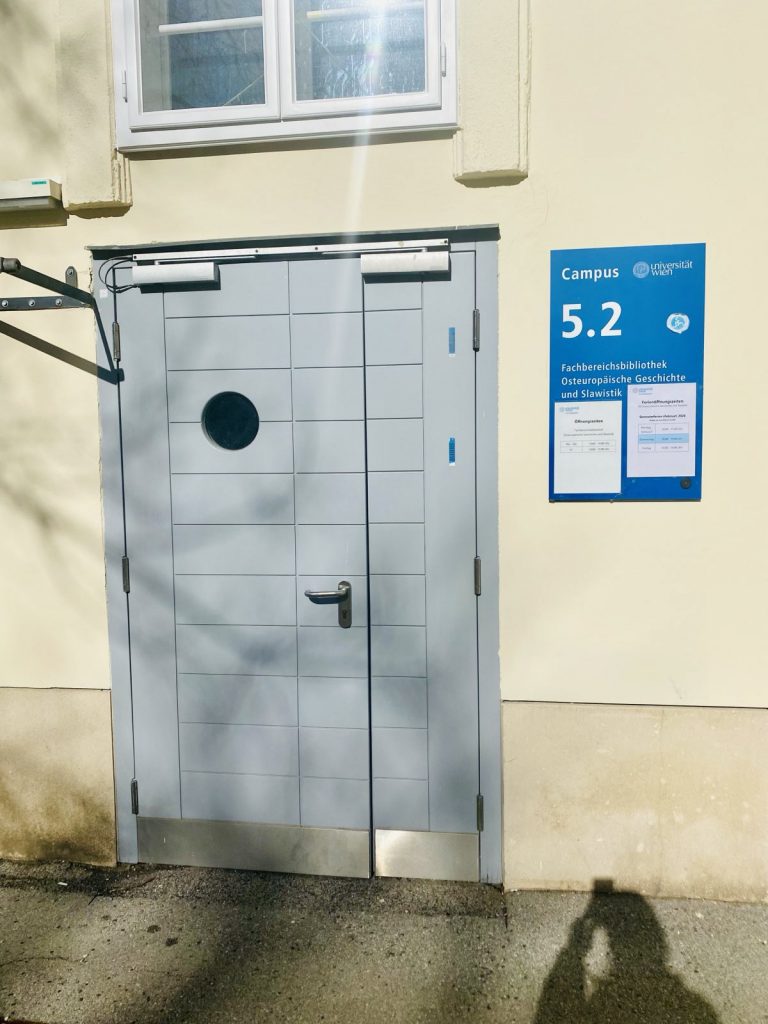
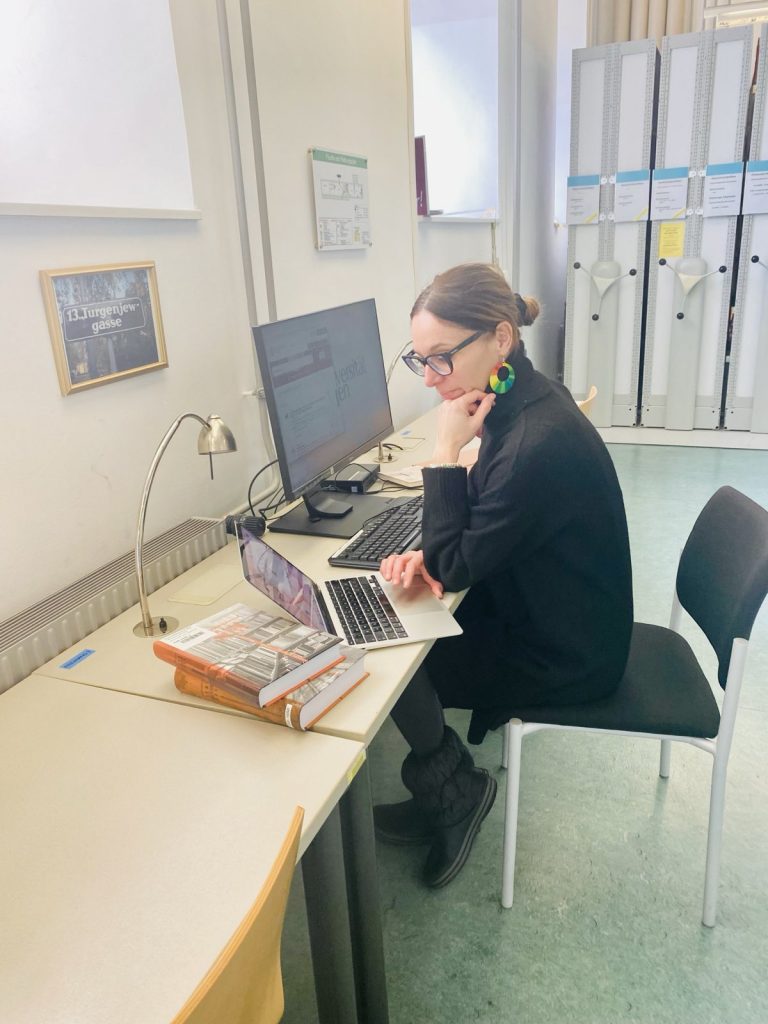
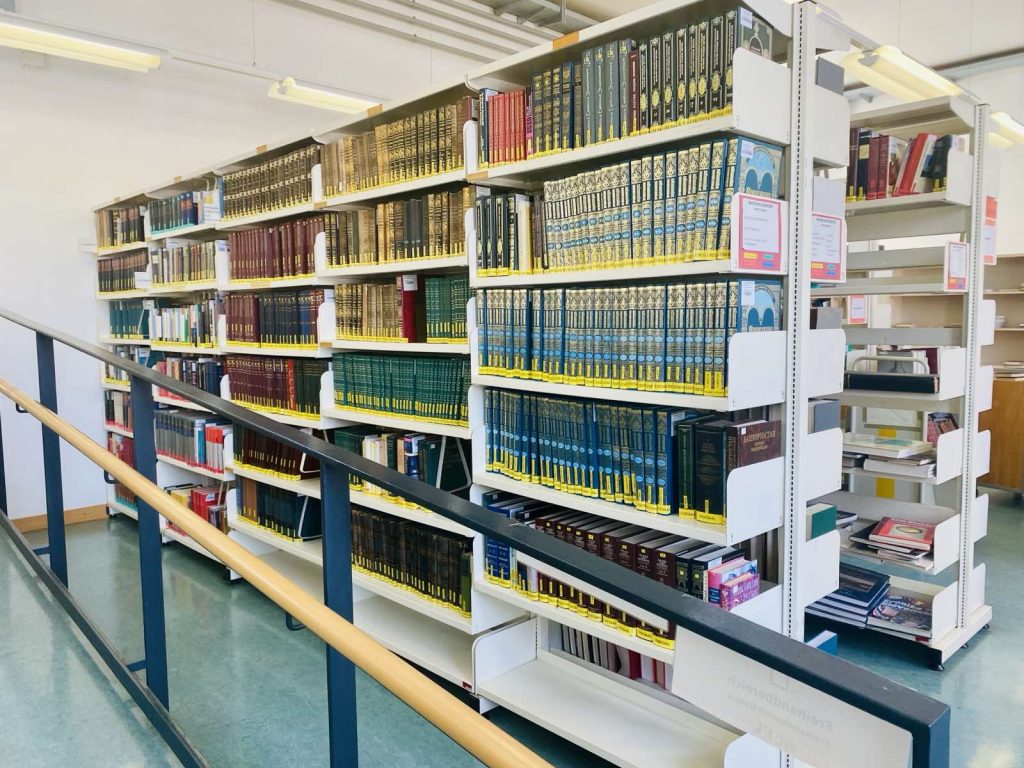
In February 2026, Danijela Lugarić Vukas worked at East European History and Slavonic Studies Library at Campus of the University in Vienna, and gathered materials for following activities:
a) the conference Левкинские чтения: культурные трансформации в 1русскоязычном пространстве. XXI век (organized by the Slavic Studies Centre of the Department of European Languages at the Faculty of Humanities of the University of Latvia and the Centro Interuniversitario per lo Studio della Cultura e della Controcultura Postsovietica – CCƆP, March 2026, Turin, Italy); and
b) the conference Prezentizam (organized by the Faculty of Humanities and Social Sciences, University of Zagreb) and the workshop Affects and Effects: Comparing Post-Socialist Wars (Berlin, Germany). Both activities will be held in May 2026.
The collected materials (books and articles), yet unavailable at her home institution, primarily concern the cultural and historical specificities of the watershed year 1989, as well as theoretical sources necessary for exploring particular type of document (archive, testimony, body, cultural artifact) in post-1989 literature, the one that ceases to function as a guarantor of truth or a means of reconstructing the past and instead begins to operate as a mechanism for the production of presentness.
In addition, during her stay in Vienna, Lugarić Vukas visited the recently opened Russian-language bookstore Babel Books and the temporary exhibition Documents of Injustice. The Case of Freud at the Sigmund Freud Museum. The latter, highly relevant to the project's topic, is based on thousands of original records, business letters, and lists from the museum’s archive, which reveal the legal and financial modus operandi of the Nazi leadership.